
Description
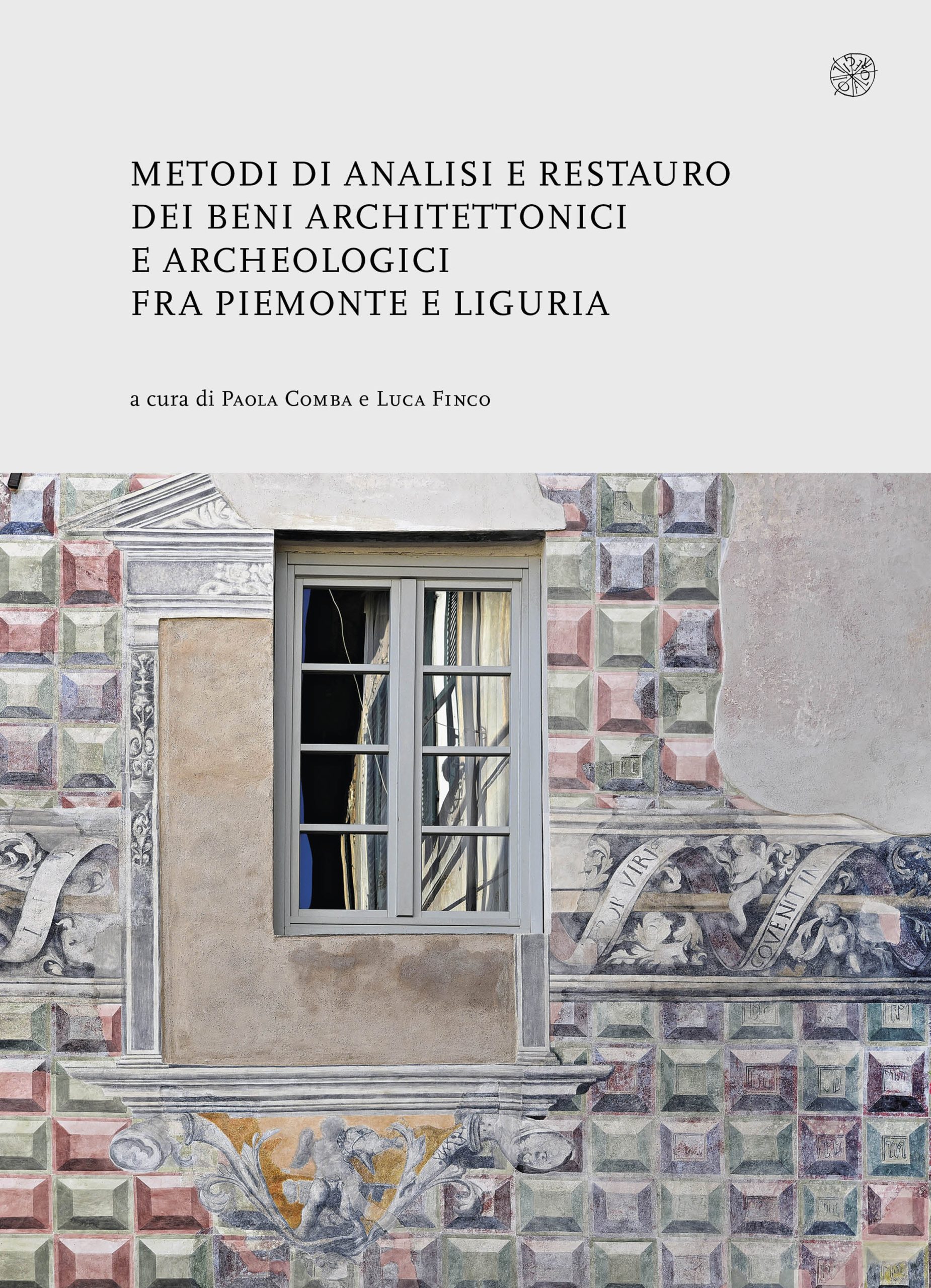
The volume Methods of Analysis and Restoration of Architectural and Archaeological Heritage between Piedmont and Liguria, from the Middle Ages to the Early Modern Age represents a contribution of significant scientific and professional value to the panorama of studies dedicated to the historical architecture and fortified heritage of northwestern Italy.
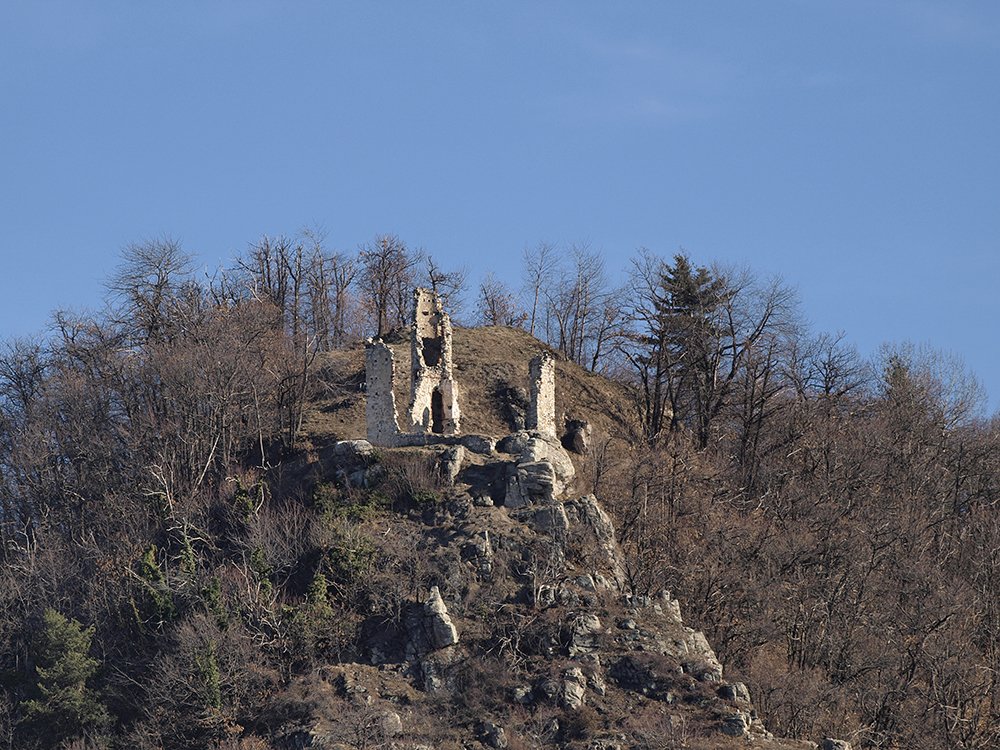
The work is part of a highly qualified research and training program, promoted by the Italian School of Fortified Architecture, and demonstrates the effectiveness of an interdisciplinary approach integrating archaeology, archaeometry, and architecture. Through analysis of fortified structures and walled villages, the volume provides an in-depth understanding of the construction and functional transformations that affected these complexes between the Middle Ages and the early modern period.
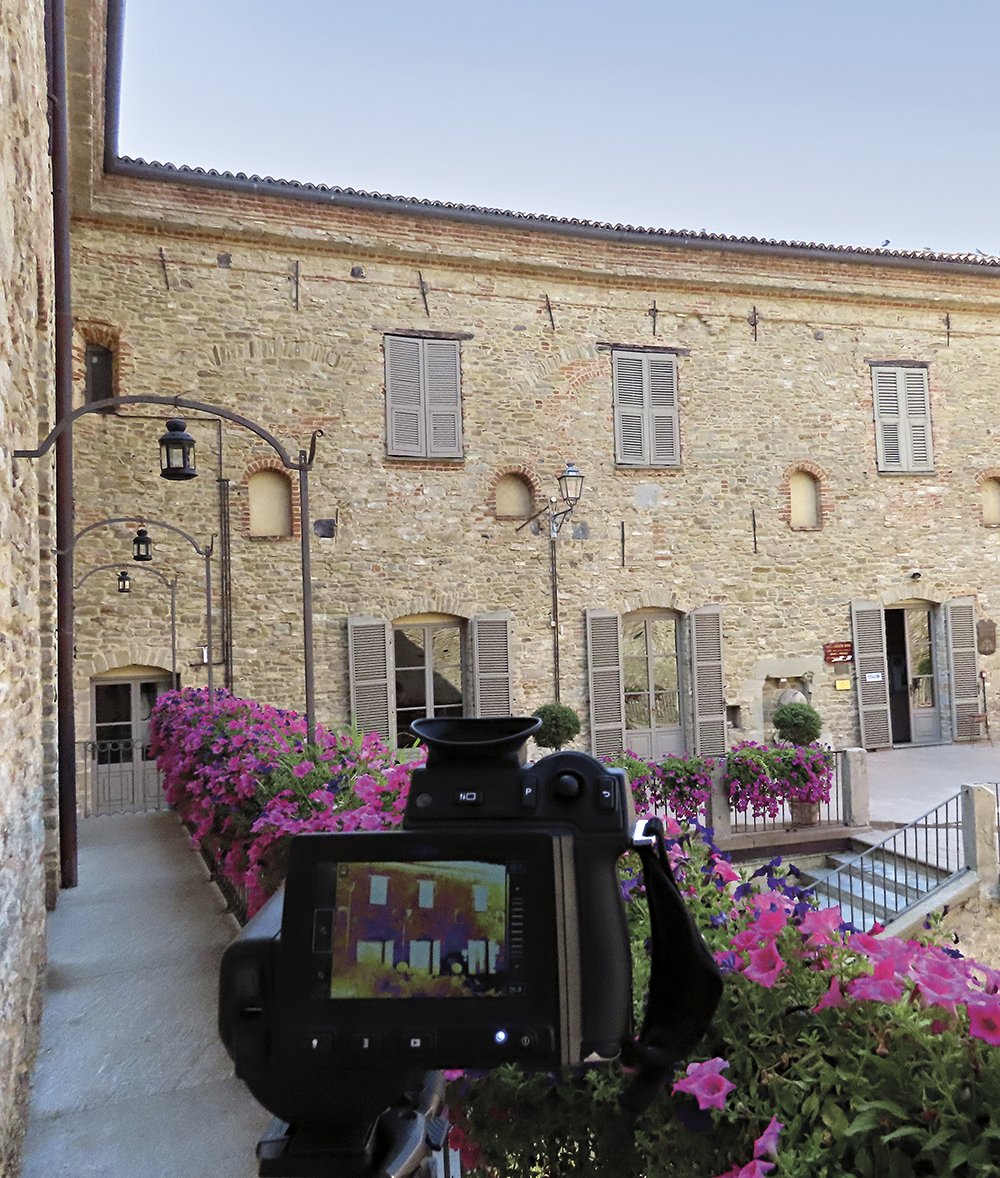
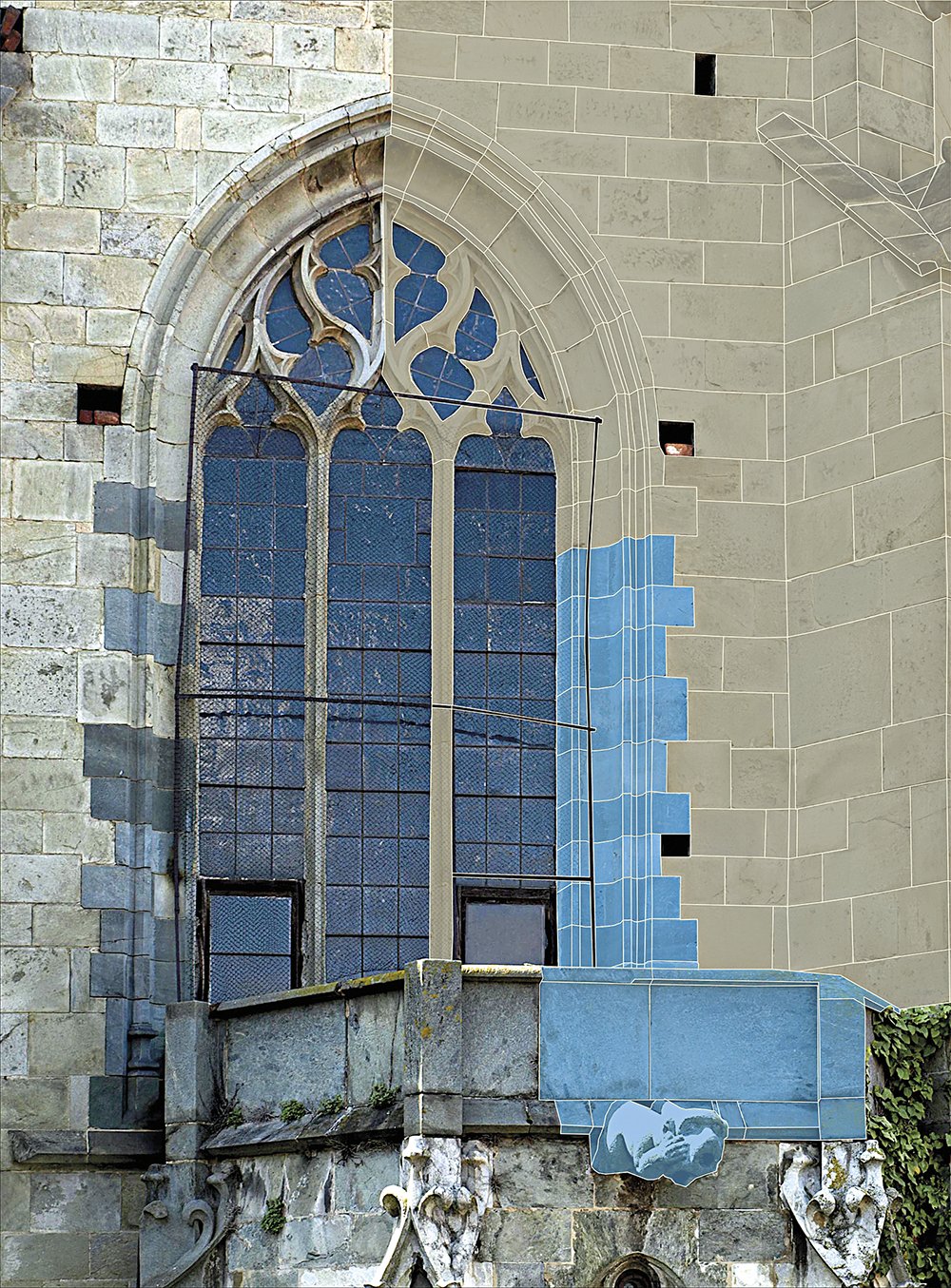
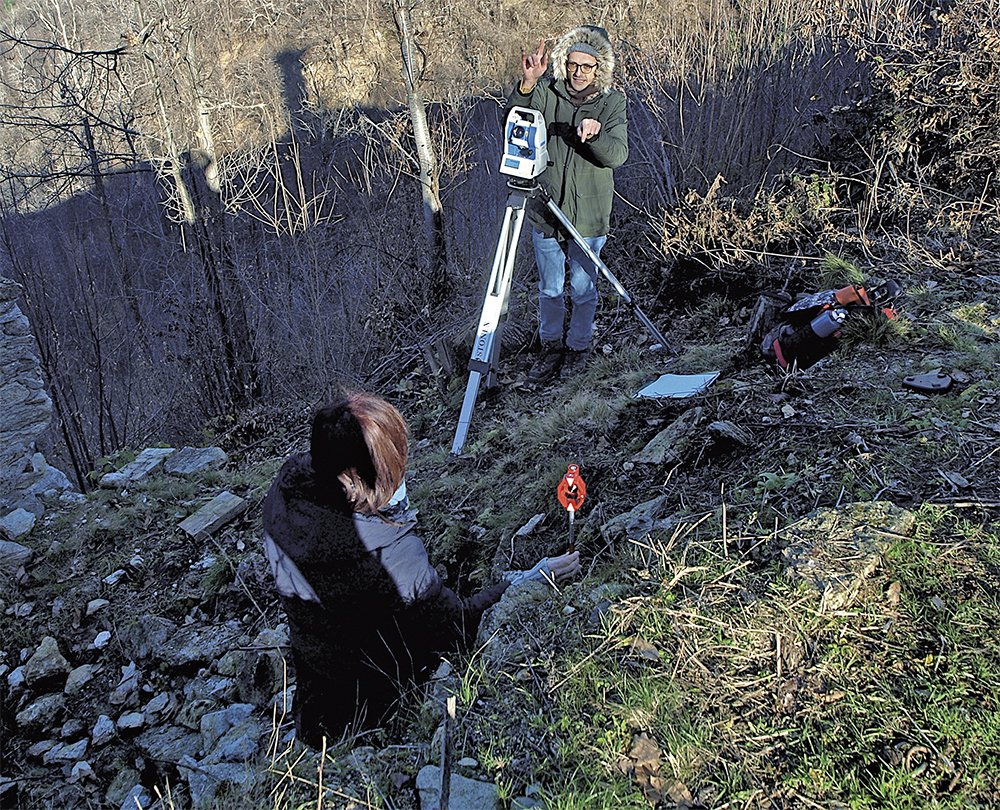
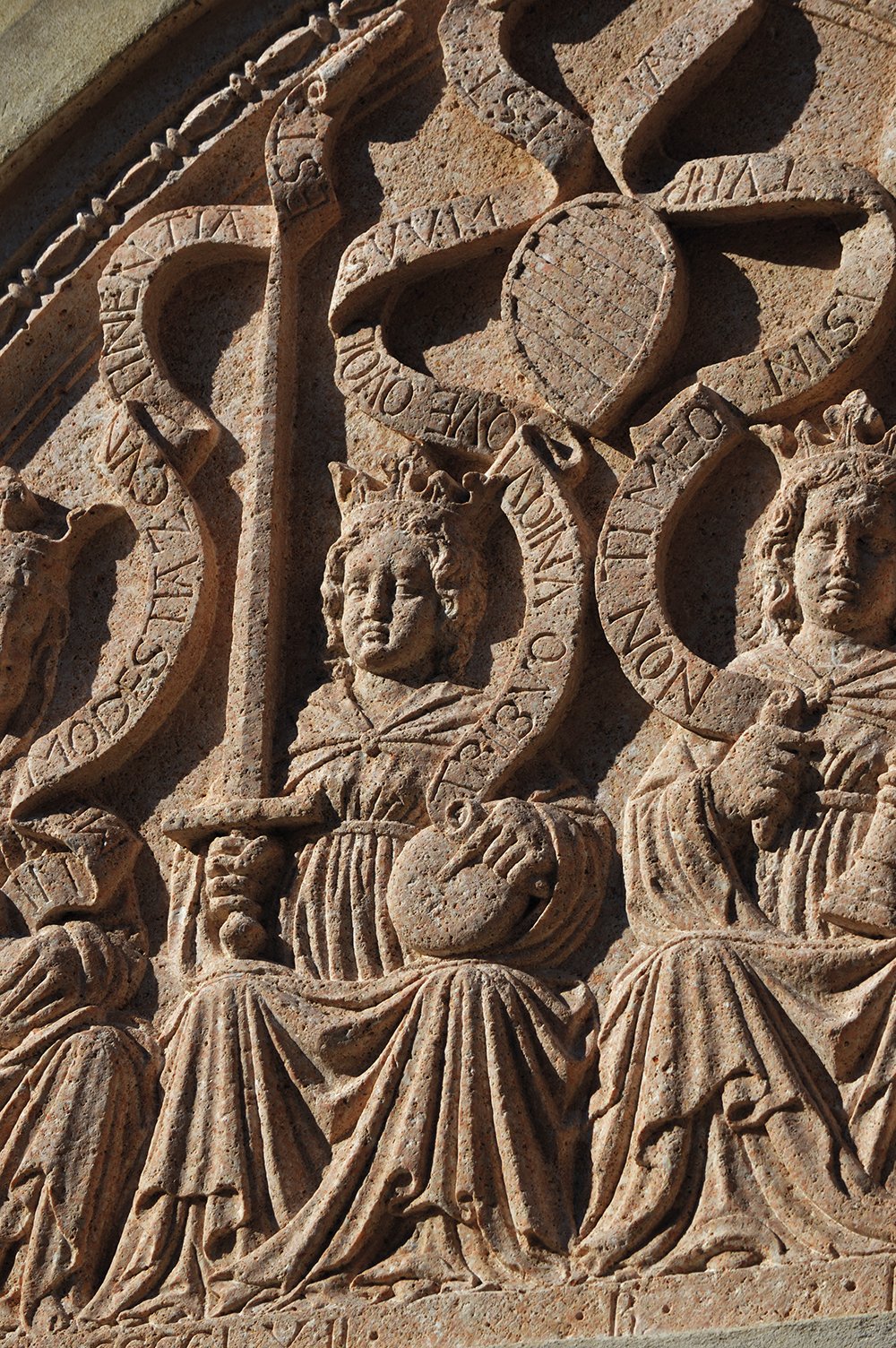
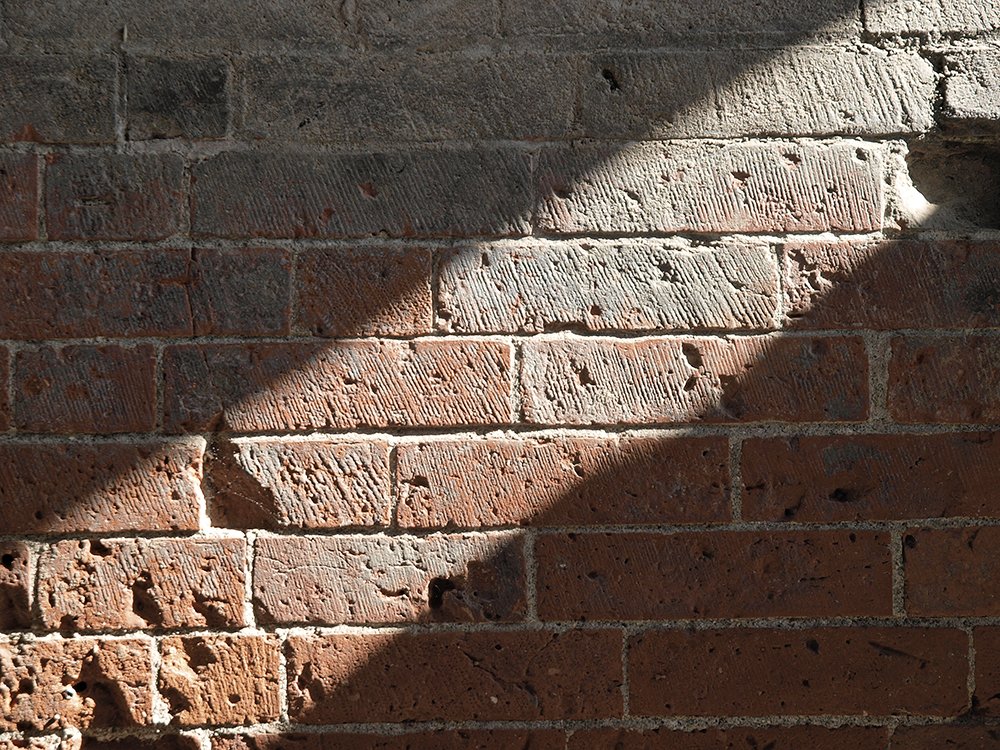
Particularly significant is the emphasis placed on investigation methodologies: from the stratigraphic reading of elevations to the analysis of stone materials, to the use of the most advanced technologies for surveying and documentation. These tools not only allow for a more detailed understanding of the artifacts, but also constitute an essential basis for restoration interventions that are informed and respectful of their historical and cultural values.
The volume also highlights the central role of the landscape and geomorphological context, underscoring how the relationship between architecture and territory is a key element in the interpretation and valorization of heritage assets. In this sense, the need for an integrated vision that combines protection, research, and contemporary design emerges forcefully.
As the Order of Architects of the Province of Savona, we recognize this publication as a valuable tool for the cultural and professional growth of our members, as well as a reference for all those working in the field of conservation and enhancement of the built heritage.
It contributes to raising awareness of the importance of a scientifically based and multidisciplinary approach, which is now more essential than ever to address conservation challenges.
On behalf of the Order, I express my appreciation for the work of the curators, teachers, and project participants, whose commitment has made possible the production of a volume that stands as a reference point for future studies and professional practice in the field of architectural and archaeological heritage.
Matthew Sacco
President of the Order of Architects, Planners and Conservationists of the Province of Savona



 In collaboration with SAMI, Società degli Archeologi Medievisti Italiani


